




Minneapolis’s underground infrastructure faces one of the most punishing freeze-thaw cycles in the country. Bitter winters followed by rapid spring thaws put constant stress on pipe joints across the Twin Cities, and the city’s remaining combined sewer areas add another layer of complexity to the problem.
For engineers and contractors managing sewer rehabilitation across Minneapolis and Hennepin County, inflow and infiltration (I&I) has remained a defining priority under Metropolitan Council Environmental Services’ long-term capital planning. Heavy spring snowmelt events and intense summer storms have continued to test a wastewater collection system built for a very different climate reality.
Two Sources, One Freeze-Thaw Squeeze
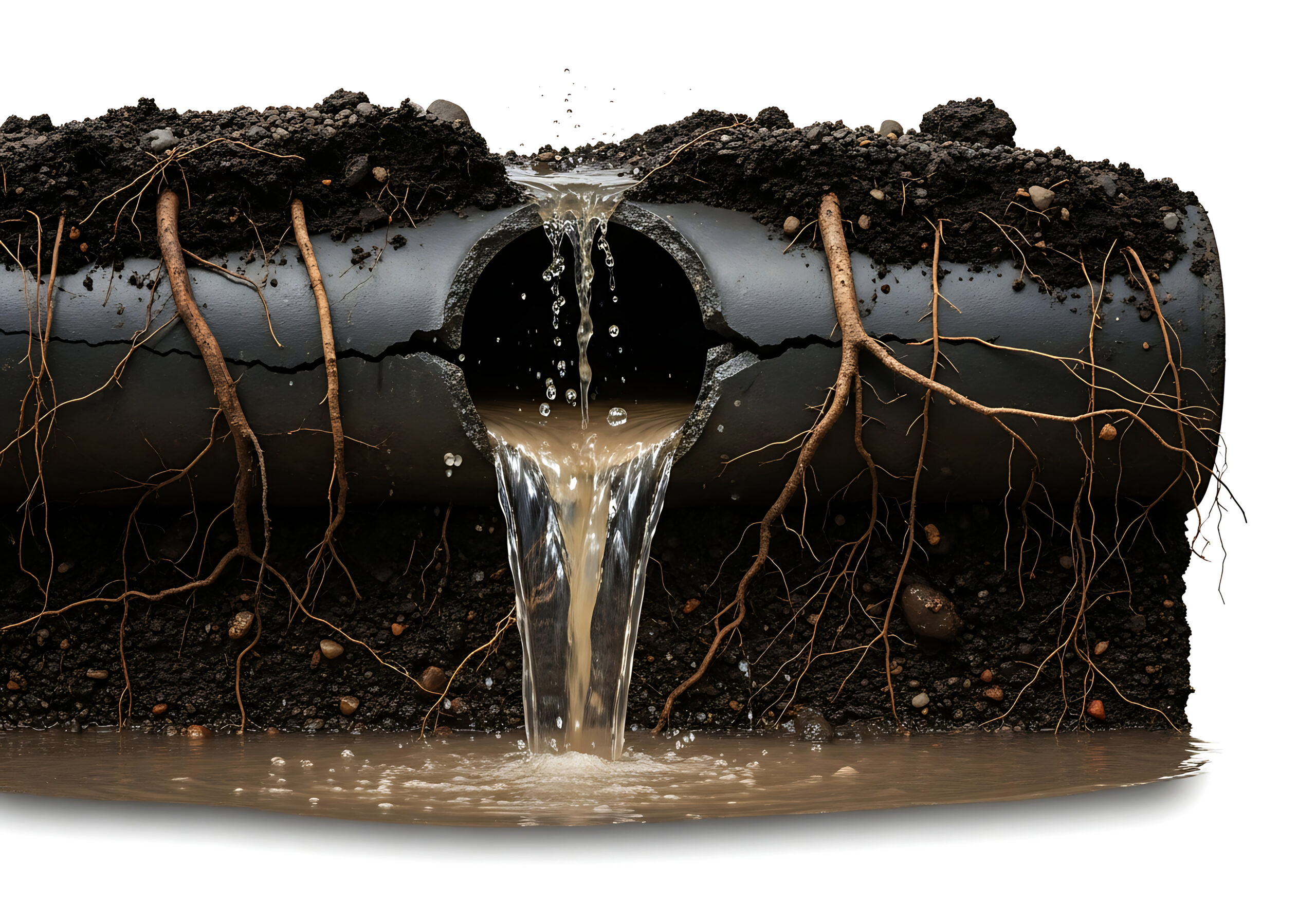
Groundwater infiltration in Minneapolis occurs when cracked or broken pipes, leaking pipe joints, and deteriorated manholes let water seep into the sanitary sewer system, a problem the region’s extreme temperature swings make worse. Sewer inflow takes a more direct path, entering through roof drains, yard drains, and other surface connections tied straight into the line.
Both draw down sewer capacity fast when a hard winter gives way to rapid spring snowmelt. Minneapolis’s combined sewer areas route stormwater and sewage through the same pipes in older neighborhoods, and a wastewater collection system already carrying excess flow has little room left once the spring thaw hits all at once.
Why Freeze-Thaw Extremes Complicate the Fix
Minneapolis contractors rely on cured-in-place pipe (CIPP) to renew deteriorated sewer mains without tearing up busy corridors in neighborhoods like Uptown and Northeast, and the trunk line typically holds up well once the process is complete. The freeze-thaw cycle working on the rest of the system doesn’t stop just because the main got lined.
Minneapolis’s brutal winter-to-spring temperature swings stress laterals, connections, and manholes on their own separate schedule, and a sewer main lined but infiltration persists is a pattern engineers see constantly here once the ground finishes moving for the season. A joint that held through a mild December can separate entirely by the time the spring thaw arrives.
Common infiltration sources across Minneapolis include:
- Deteriorated laterals beneath older Northeast and South Minneapolis properties
- Failed main-to-lateral connections stressed by repeated freeze-thaw expansion
- Cracked host pipes weakened by decades of harsh winter cycling
- Manhole joint failures allowing groundwater intrusion near Mississippi River and lake-adjacent corridors
- Aging clay and brick pipe throughout Minneapolis’s pre-1950s combined sewer districts
Timing Inspections to the Seasonal Calendar
Because Minneapolis’s ground shifts on such a tight seasonal schedule, a single inspection at the wrong time of year can miss the real defect entirely. Engineers get a far clearer answer by pairing CCTV inspection and flow monitoring for I&I with smoke testing and flow monitoring for source identification, which together confirm whether the leak sits at the main, the lateral, the connection, or the structure.
The fix then tracks the finding: mainline CIPP handles structural trunk-line deterioration, cured-in-place pipe lateral lining handles a failing service line, main-to-lateral connection rehabilitation handles a joint separated by freeze-thaw movement, manhole rehabilitation handles a structure cracked by seasonal cycling, and injection grouting handles a small, active, localized leak.
Why This Matters for Municipal Sewer Budgets
Metropolitan Council Environmental Services continues working to control the cost of pumping and treating unwanted groundwater across a service area shaped by decades of combined sewer overflow obligations. Sewer overflows during heavy rain carry real regulatory consequences in a region working to protect the Mississippi River and area lakes.
Wastewater utility capacity management here depends on treating the network as one connected system, not a set of isolated seasonal repairs. Specifying CIPP for municipal sewer projects handles the mainline, but rehabilitating public and private sewer laterals, connections, and manholes alongside it is what actually reduces wet-weather flows across a city this exposed to extreme temperature cycling.
Every brutal Minneapolis winter and the thaw that follows it tests the whole network at once, which is exactly why the rehabilitation strategy has to cover mains, laterals, connections, and manholes together.
Find a WRT-certified installer serving Minneapolis and Hennepin County to assess your collection system’s full scope of I&I sources.